
Childhood cancer is uncommon
Childhood cancer is relatively uncommon compared with cancer in adults. However, it remains an important health concern because early recognition and appropriate care can make a difference.
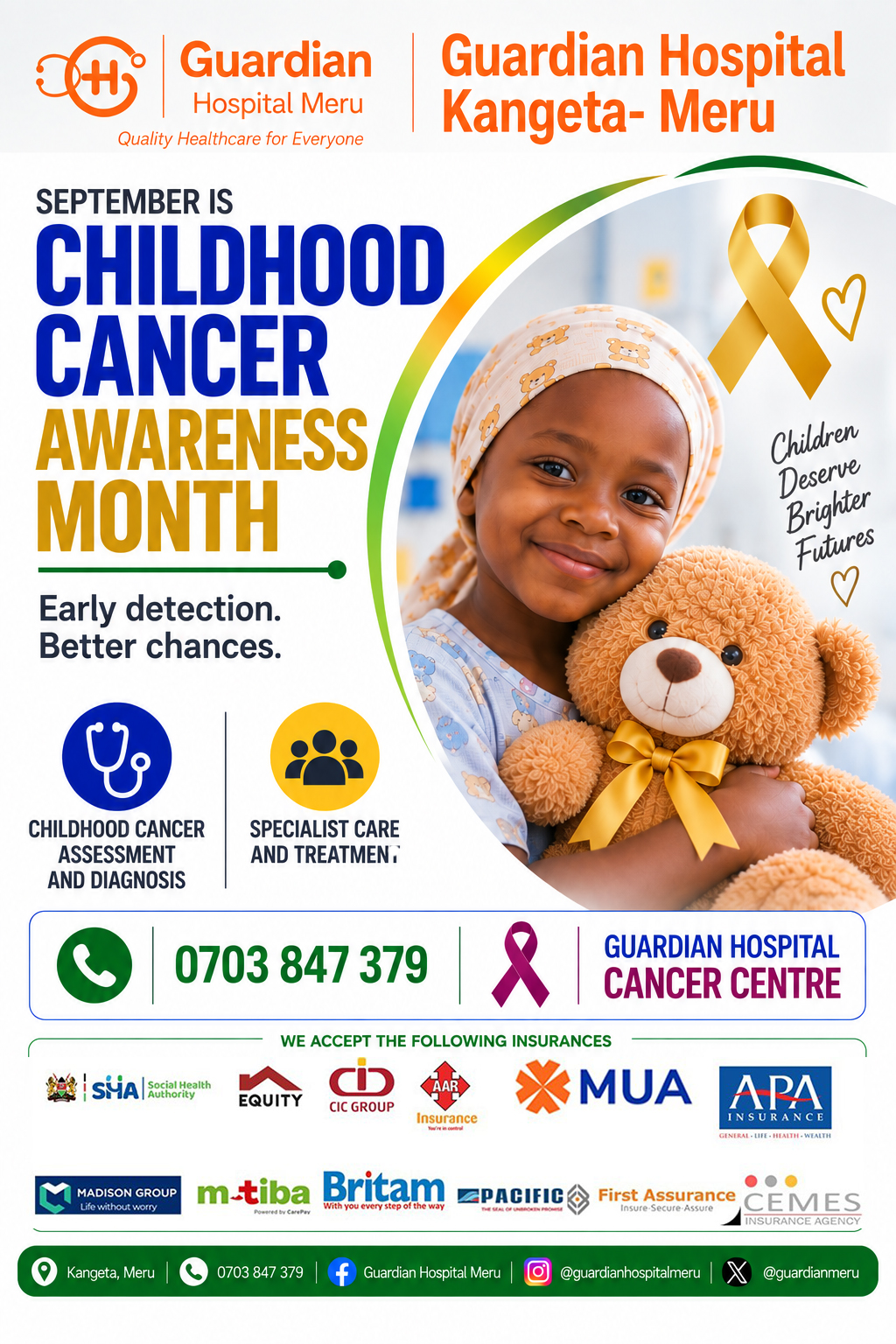
September is Childhood Cancer Awareness Month. It is an opportunity to learn about childhood cancer, recognise possible warning signs and understand why timely medical assessment matters.
Childhood cancer refers to cancers that develop in children and adolescents. Unlike many cancers in adults, childhood cancers are often not linked to lifestyle or environmental factors. They can affect different parts of the body, including the blood, brain, bones and other organs.
Childhood cancer is relatively uncommon compared with cancer in adults. However, it remains an important health concern because early recognition and appropriate care can make a difference.
Many possible warning signs of childhood cancer are also seen in common childhood illnesses. A symptom does not automatically mean that a child has cancer.
Parents and caregivers should pay attention to symptoms that are persistent, unexplained, unusual or worsening. Some possible warning signs include:
Early diagnosis can help children receive appropriate treatment sooner. Recognising symptoms, seeking medical assessment and following through with recommended investigations are important steps when a child's health changes unexpectedly.
Take note of symptoms or physical changes that are unusual, persistent or becoming worse.
A healthcare professional can examine the child and decide whether further tests or referral are needed.
If investigations or specialist review are recommended, completing the next steps can help avoid unnecessary delays.
There is no single test used to diagnose every childhood cancer. Assessment depends on the child's symptoms and the suspected condition. A healthcare team may use a combination of:
Treatment depends on the specific type of cancer, where it is located, how far it has developed and the child's individual circumstances. Children may receive one treatment or a combination of treatments.
Speak with a healthcare professional if a child develops symptoms that are persistent, unexplained, unusual or worsening, particularly when several concerning changes occur together.
Parents and caregivers should not try to diagnose cancer based on symptoms alone. Medical assessment is the appropriate way to determine what may be causing the changes.
Childhood cancer is relatively uncommon compared with cancer in adults. However, it remains an important health concern because timely diagnosis and appropriate treatment can affect outcomes.
No. Many of these symptoms are caused by infections and other childhood conditions. Persistent, unexplained or concerning symptoms should be assessed rather than assumed to be cancer.
Most childhood cancers do not have a known preventable cause. Unlike many adult cancers, lifestyle-related factors generally play a much smaller role in childhood cancer.
Routine population screening is generally not used for childhood cancers. Children with particular inherited or high-risk conditions may require specialised surveillance based on medical advice.
Speak with a qualified healthcare professional. Explain the symptoms, how long they have been present and whether they are changing. Further assessment can determine whether additional investigations are necessary.
This page is intended for general health education and awareness.
Learn more: World Health Organization – Cancer in Children
Medical disclaimer: This information is provided for general health education and does not replace professional medical advice, diagnosis or treatment. If you are concerned about a child's health or symptoms, seek assessment from a qualified healthcare professional.
For enquiries or further information, you can reach us through: